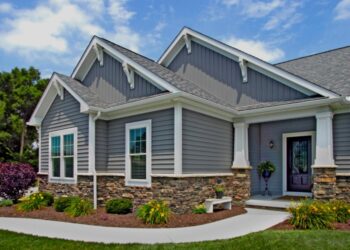
Vinyl house exteriors offer a versatile and low-maintenance option for homeowners looking to enhance the appearance of their houses. From vibrant colors to various styles, vinyl siding provides a durable solution that is gaining popularity in the housing industry. Let’s delve into the world of vinyl house exteriors and discover the key aspects that make them a top choice for many.
As we explore the benefits, installation process, maintenance requirements, and longevity of vinyl house exteriors, you’ll gain a comprehensive understanding of why this material is a preferred option for modern homes.
Introduction to Vinyl House Exteriors
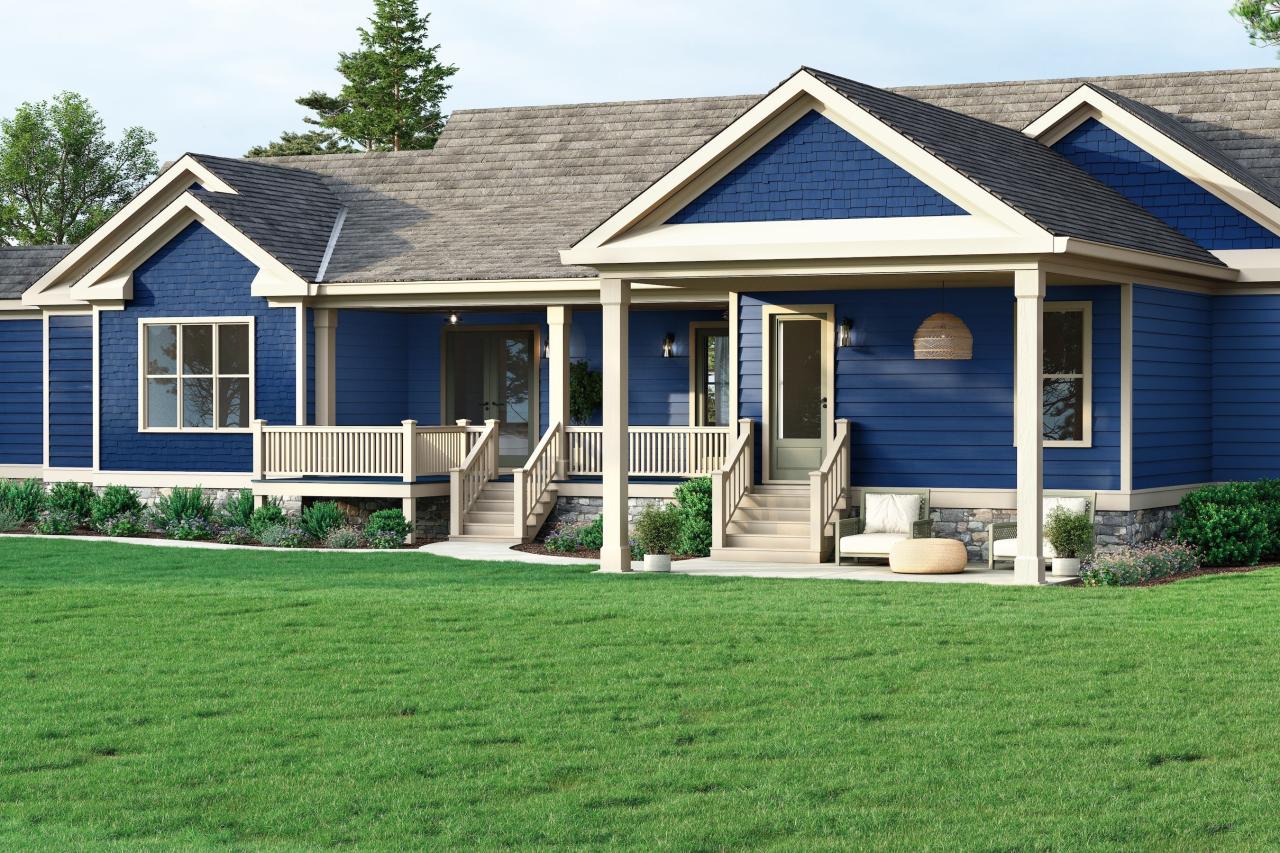
Vinyl house exteriors refer to the use of vinyl siding as a material to cover the outer walls of a house. Vinyl siding is a popular choice among homeowners due to its durability, low maintenance requirements, and variety of styles and colors available in the market.
Benefits of Vinyl House Exteriors
- Low Maintenance: Vinyl siding is easy to clean and does not require painting, saving homeowners time and money on maintenance.
- Durability: Vinyl siding is resistant to extreme weather conditions, such as rain, wind, and snow, making it a long-lasting option for house exteriors.
- Energy Efficiency: Some vinyl siding options come with insulation, helping to improve the energy efficiency of a home and reduce heating and cooling costs.
Popularity of Vinyl House Exteriors
Vinyl house exteriors have gained popularity over the years due to their cost-effectiveness and versatility. Many homeowners prefer vinyl siding for its ability to mimic the look of traditional materials like wood or stone at a fraction of the cost.
Additionally, advancements in technology have made vinyl siding more durable and resistant to fading, making it a practical choice for many homeowners.
Styles and Colors of Vinyl Siding
- Styles: Vinyl siding comes in a variety of styles, including horizontal, vertical, and shake/shingle options, allowing homeowners to choose a look that suits their aesthetic preferences.
- Colors: Vinyl siding is available in a wide range of colors, from traditional neutrals to bold and vibrant hues, giving homeowners the flexibility to customize the exterior of their homes according to their personal taste.
Installation of Vinyl House Exteriors
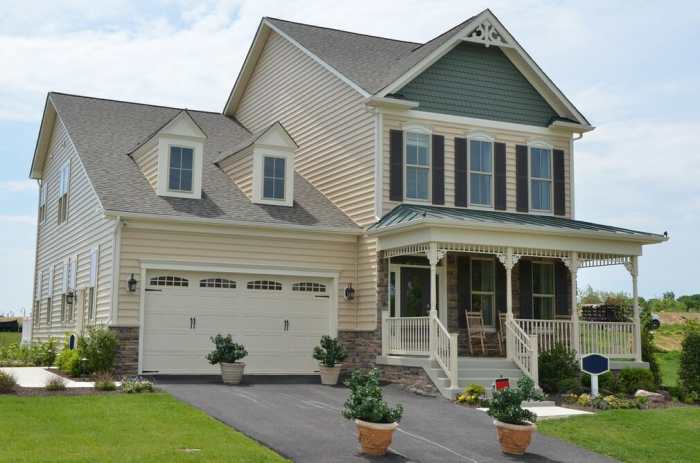
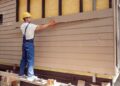
Installing vinyl siding on a house is a great way to improve its appearance and durability. Here are the steps involved in installing vinyl house exteriors:
Preparing the House Exterior for Vinyl Siding Installation
Before installing vinyl siding, it is essential to prepare the house exterior properly. Here are some tips to consider:
- Clean the exterior surface thoroughly to remove dirt, debris, and any existing paint.
- Repair any damaged areas, such as rotting wood or missing siding, to ensure a smooth and even surface for the vinyl siding installation.
- Inspect the house for any moisture issues and address them before proceeding with the installation.
Tools and Materials Required for Installing Vinyl House Exteriors
To install vinyl siding on a house, you will need the following tools and materials:
- Vinyl siding panels
- Vinyl siding trim pieces
- Nails or screws for fastening
- Utility knife or vinyl siding cutter
- Level and chalk line for proper alignment
- J-channel for edging around windows and doors
- House wrap or insulation for energy efficiency
Maintenance of Vinyl House Exteriors
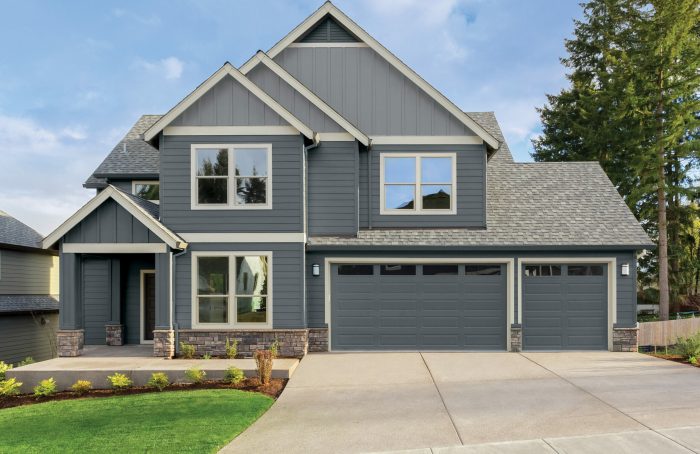
Regular maintenance is crucial to keep vinyl house exteriors looking their best and functioning properly. This involves a combination of cleaning, inspections, and addressing any issues promptly.
Cleaning Vinyl House Exteriors
- Regularly wash the vinyl siding with a garden hose or pressure washer to remove dirt, dust, and grime.
- Use a soft-bristled brush or cloth with a mixture of water and mild detergent for stubborn stains.
- Avoid using harsh chemicals or abrasive cleaners that can damage the vinyl surface.
- Rinse thoroughly after cleaning to prevent soap residue from building up.
Common Issues and Solutions
- Mold and Mildew: Clean with a solution of water and white vinegar, or a commercial mildew cleaner. Prevent future growth by improving ventilation and sunlight exposure.
- Fading: Apply a vinyl-safe paint to refresh the color and protect against UV damage.
- Cracks or Holes: Use caulk or replacement panels to fill in gaps and prevent moisture infiltration.
- Loose Panels: Secure loose panels with nails or screws to prevent them from detaching during strong winds.
Durability and Longevity of Vinyl House Exteriors
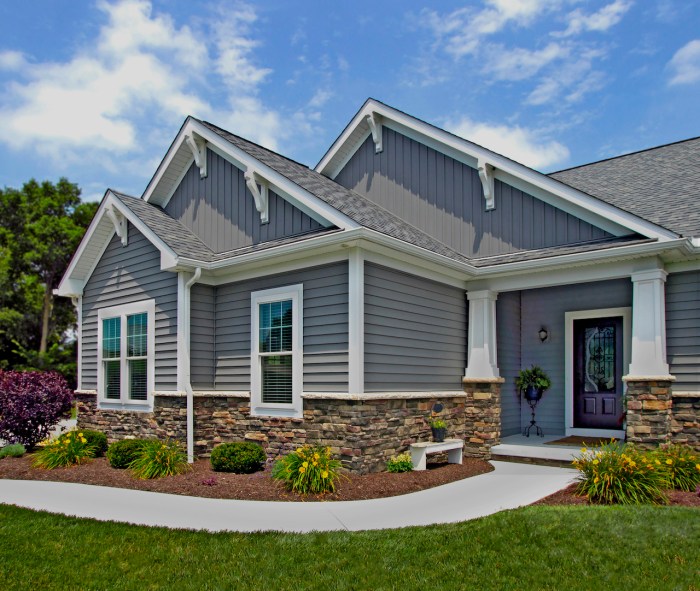
Vinyl house exteriors are known for their durability and longevity, making them a popular choice among homeowners. Let’s explore how vinyl siding compares to other house exterior materials and the factors that can impact its lifespan.
Comparison to Other House Exterior Materials
- Vinyl siding is more durable than wood siding as it is resistant to rot, insects, and moisture.
- Compared to aluminum siding, vinyl is more impact-resistant and does not dent easily.
- Brick exteriors may last longer than vinyl but require more maintenance and are more costly to install.
Lifespan of Vinyl House Exteriors
Vinyl siding can last anywhere from 20 to 40 years, depending on the quality of the material and proper installation. Regular maintenance, such as cleaning and inspections, can help prolong its lifespan.
Impact of Weather Conditions
Extreme weather conditions, such as intense heat or severe storms, can affect the longevity of vinyl siding.
- Excessive heat can cause vinyl to warp or fade over time.
- Severe storms with strong winds may cause damage to vinyl siding if not properly installed or maintained.
- Regularly inspecting the siding for any signs of damage and addressing them promptly can help mitigate the impact of weather conditions.
Summary
In conclusion, vinyl house exteriors offer a winning combination of aesthetic appeal, durability, and easy maintenance. By choosing vinyl siding, homeowners can elevate the look of their residences while enjoying long-lasting results. Dive into the world of vinyl house exteriors and transform your home with this versatile and stylish option.
Answers to Common Questions
Is vinyl siding easy to maintain?
Yes, vinyl siding requires minimal maintenance. Regular cleaning with a mild soap solution and water can help keep it looking fresh.
Can vinyl house exteriors withstand harsh weather conditions?
Vinyl siding is designed to withstand various weather conditions, including strong winds, rain, and snow. It is durable and resistant to fading.
How long does vinyl house exterior last?
With proper installation and maintenance, vinyl house exteriors can last 20 to 30 years or more, making them a long-term investment for homeowners.