Embark on a journey through the world of siding maintenance, where the key to upholding your home’s structural integrity lies in regular care and attention. This comprehensive guide offers insights into the importance of maintenance, different siding materials, signs of damage to watch out for, DIY tips, and the benefits of professional services.
Dive in to discover how you can keep your home looking its best for years to come.
Importance of Siding Maintenance
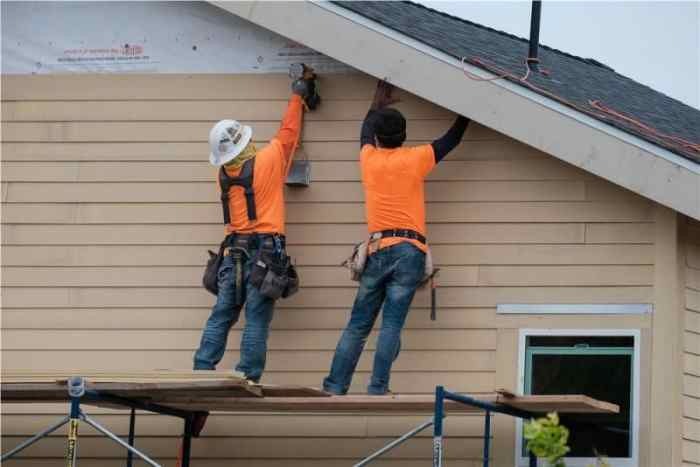
Regular siding maintenance is essential for maintaining the structural integrity and overall appearance of a home. Neglecting siding maintenance can lead to a variety of costly consequences, including water damage, mold growth, and pest infestations. By properly maintaining your siding, you can extend the lifespan of the materials and avoid the need for premature replacements.
Preservation of Home Structure
Proper siding maintenance helps protect the underlying structure of your home from moisture infiltration, which can cause rot and deterioration. Regular inspections and repairs can prevent water damage and ensure that your home remains structurally sound for years to come.
Enhanced Curb Appeal
Maintaining your siding can also enhance the curb appeal of your home, increasing its value and attractiveness to potential buyers. Regular cleaning and touch-ups can keep your home looking fresh and well-maintained, boosting its overall appearance and aesthetic appeal.
Prevention of Costly Repairs
By addressing minor issues promptly through regular maintenance, you can prevent small problems from escalating into major repairs that require significant time and money to fix. Investing in routine siding maintenance can save you money in the long run by avoiding costly repairs and replacements.
Types of Siding Materials
When it comes to siding materials for homes, there are several common options available. Each type of siding material has its own unique characteristics and maintenance requirements. Let’s take a closer look at some of the most popular siding materials used in residential properties.
Vinyl Siding
Vinyl siding is one of the most popular choices for homeowners due to its affordability and low maintenance requirements. It is durable, versatile, and comes in a variety of colors and styles. Maintenance for vinyl siding typically involves periodic cleaning with a mild detergent and water to remove dirt and grime.
Inspecting for any cracks, holes, or damage is also important to ensure the siding remains intact and performs well over time.
Wood Siding
Wood siding provides a classic and natural look to homes, but it requires more maintenance compared to other siding materials. Regular painting or staining is necessary to protect the wood from moisture, rot, and insect damage. Proper sealing and caulking are also important to prevent water infiltration and maintain the integrity of the wood siding.
Fiber Cement Siding
Fiber cement siding is a durable and low-maintenance option that offers the look of wood without the same level of upkeep. It is resistant to rot, fire, and pests, making it a popular choice for homeowners seeking a long-lasting siding solution.
Routine cleaning with water and a mild detergent is usually sufficient to keep fiber cement siding in good condition.
Metal Siding
Metal siding, such as aluminum or steel, is known for its strength and longevity. It is resistant to fire, pests, and rot, making it a durable option for homes in various climates. Maintenance for metal siding typically involves occasional cleaning to remove dirt and debris.
Inspecting for any dents, scratches, or corrosion is important to address any issues promptly and prevent further damage.
Signs of Siding Damage
When it comes to maintaining your home’s siding, it’s essential to be able to recognize the early signs of damage. Identifying these issues promptly can help prevent further deterioration and costly repairs down the line.
Rot
One of the most common signs of siding damage is rot. This can occur when moisture seeps into the siding material, causing it to decay. You may notice discolored or soft areas on the siding, indicating rot has set in.
Warping
Another visible sign of siding damage is warping. This often happens when the siding is exposed to extreme temperatures or moisture. Warped siding can be easily spotted by irregularities in the surface or bulging sections.
Fading
Over time, siding can fade due to prolonged exposure to sunlight. Faded siding not only affects the aesthetic appeal of your home but can also indicate that the protective coating is wearing off, leaving the material vulnerable to further damage.
Mold Growth
Mold growth on your siding is a clear sign of moisture-related issues. If left unchecked, mold can spread quickly and cause significant damage to not only your siding but also your home’s structure. Look out for dark spots or patches on the siding surface.
DIY Siding Maintenance Tips
Maintaining your siding is crucial to preserving the exterior of your home and protecting it from the elements. By performing some simple do-it-yourself maintenance tasks, you can ensure that your siding remains in top condition for years to come.
Cleaning Your Siding
Regular cleaning of your siding helps prevent dirt, mold, and mildew from building up and causing damage. Here’s how you can clean different types of siding:
- For vinyl siding, use a mixture of water and mild detergent to scrub away dirt and grime. Rinse with a garden hose.
- Wood siding can be cleaned with a solution of water and oxygen bleach. Scrub gently to avoid damaging the wood.
- Fiber cement siding can be cleaned with a mixture of water and mild soap. Avoid using abrasive cleaners that can scratch the surface.
Inspecting for Damage
Regular inspections of your siding can help you catch potential issues before they become major problems. Here’s how you can inspect your siding:
- Look for signs of moisture damage, such as warping or discoloration.
- Check for cracks, holes, or missing pieces in the siding.
- Inspect the caulk around windows, doors, and corners for any gaps or deterioration.
Repairing Your Siding
If you spot any damage during your inspection, it’s important to repair it promptly to prevent further issues. Here are some tips for repairing your siding:
- For small cracks or holes, use exterior caulk to seal the damaged area.
- Replace any missing or damaged pieces of siding to maintain the integrity of your home’s exterior.
- Paint or stain wood siding as needed to protect it from the elements and maintain its appearance.
Professional Siding Maintenance Services
When it comes to maintaining the siding of your home, hiring professionals can offer several benefits that DIY efforts may not provide. Let’s explore the advantages of opting for professional siding maintenance services.
Benefits of Hiring Professionals
Professional siding maintenance services bring expertise and experience to the table, ensuring that your siding is properly inspected, repaired, and maintained. They have the necessary tools and knowledge to identify underlying issues that may not be apparent to an untrained eye.
Moreover, professionals can efficiently address any problems, saving you time and effort in the long run. Their thorough approach can help prevent future damage and prolong the lifespan of your siding.
Costs and Advantages Comparison
While DIY maintenance may seem cost-effective initially, it can lead to costly mistakes if not done correctly. Professional services may involve an upfront cost, but they can save you money in the long term by preventing major repairs or replacements.
Additionally, professionals often have access to high-quality materials and tools, ensuring a higher standard of workmanship compared to DIY efforts. This can enhance the overall appearance and durability of your siding.
Selecting a Reputable Service Provider
- Research online reviews and ratings of siding maintenance companies in your area to gauge their reputation and customer satisfaction.
- Ask for recommendations from friends, family, or neighbors who have used professional siding maintenance services before.
- Inquire about the qualifications and experience of the service providers, ensuring they are licensed and insured for your peace of mind.
- Obtain multiple quotes from different companies to compare prices and services offered before making a decision.
Final Wrap-Up
In conclusion, maintaining your siding is not just about aesthetics but also about safeguarding your investment. By staying proactive and addressing issues promptly, you can avoid costly repairs and ensure your home remains a haven of comfort and security. Take charge of your home’s upkeep today and enjoy the long-lasting benefits of a well-maintained exterior.
FAQ Compilation
What are the consequences of neglecting siding maintenance?
Neglecting siding maintenance can lead to issues such as water damage, mold growth, decreased energy efficiency, and costly repairs in the long run.
How can I identify signs of siding damage?
Look out for signs like rot, warping, fading, cracks, or mold growth on your siding, which indicate underlying damage that needs attention.
Why should I consider professional siding maintenance services?
Professional services offer expertise, time-saving solutions, and quality results that can prolong the lifespan of your siding and ensure optimal protection for your home.