When it comes to the face of your home, the siding front of house only plays a crucial role in creating that all-important curb appeal. This captivating introduction delves into the world of siding, exploring how the right choice can transform the look and feel of your property, leaving a lasting impression on visitors and passersby alike.
Delve deeper into the nuances of siding selection and maintenance in the following paragraphs to discover how to elevate the aesthetics and functionality of your home effortlessly.
Importance of Siding for the Front of a House
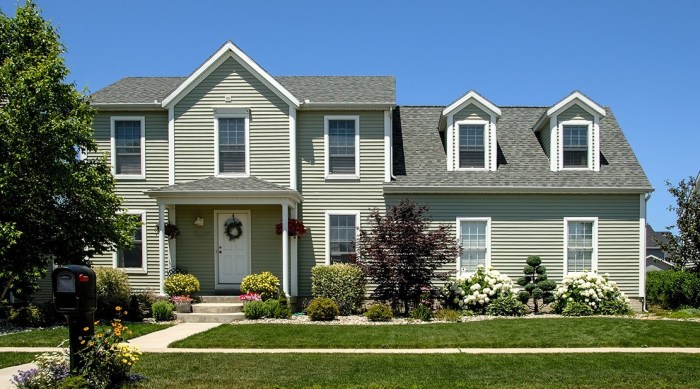
When it comes to the exterior of a home, siding plays a crucial role in enhancing curb appeal and protecting the structure from various elements.
Enhancing Curb Appeal
The front of a house is the first thing that people see, and having the right siding can significantly impact the overall look and feel of the property. The color, texture, and style of the siding can complement the architectural design of the house, creating a visually appealing facade that leaves a lasting impression.
Aesthetics and Protection
Aside from aesthetics, siding also serves a practical purpose by protecting the exterior of the house from weather elements such as rain, snow, and wind. It acts as a barrier against moisture, preventing damage to the underlying structure and insulation.
Additionally, quality siding can deter pests and insects from infiltrating the home, safeguarding the interior from potential infestations.
Types of Siding Materials
When it comes to choosing the right siding material for the front of your house, there are several options available, each with its own set of pros and cons. Let’s explore some popular siding materials and discuss their characteristics.
Vinyl Siding
Vinyl siding is a popular choice for many homeowners due to its affordability and low maintenance requirements. It comes in a variety of colors and styles, making it versatile for different architectural designs. However, vinyl siding may fade over time and is not as durable as other materials.
It can also crack or warp in extreme weather conditions.
Wood Siding
Wood siding offers a natural and classic look to the front of a house. It is environmentally friendly and can be easily painted or stained to match your preferred aesthetic. However, wood siding requires regular maintenance, such as painting and sealing, to prevent rot, mold, and insect infestations.
It is also more susceptible to fire damage compared to other materials.
Fiber Cement Siding
Fiber cement siding is a durable and low-maintenance option that mimics the look of wood or stucco. It is resistant to rot, fire, and insects, making it a long-lasting choice for the front of a house. However, fiber cement siding can be more expensive upfront compared to other materials.
Installation may require professional help due to its weight and composition.
Stucco Siding
Stucco siding offers a unique and textured finish to the front of a house. It is a durable material that can last for many years with minimal maintenance. Stucco is fire-resistant and provides excellent insulation properties. However, stucco can be prone to cracking and may require periodic repairs to maintain its appearance.
It is also more expensive than vinyl or wood siding options.
Color and Design Considerations
When choosing the right color for the siding of your house, it is essential to consider the overall architectural style of the home. The color of the siding should complement the existing elements of the house, such as the roof, trim, and landscaping, to create a harmonious look.Different siding designs, such as vertical or horizontal boards, can significantly impact the appearance of the front of the house.
Vertical siding can help elongate the structure, making it appear taller, while horizontal siding can give a more traditional and grounded look. Consider the architectural style of your home and choose a siding design that enhances its features.Mixing siding materials or colors can add visual interest and uniqueness to the front of a house.
For example, combining stone or brick accents with traditional siding can create a dynamic and textured look. Just be sure to choose colors and materials that work well together and complement the overall aesthetic of the home.
Installation and Maintenance
Proper installation and maintenance of siding are crucial to ensure the longevity and effectiveness of the siding on the front of a house. Here, we will discuss the general steps involved in installing siding, as well as the importance of regular maintenance.
Installation of Siding
Before beginning the installation of siding on the front of a house, it is essential to prepare the surface by removing any existing siding, repairing any damage, and ensuring that the surface is clean and smooth. The general steps involved in installing siding include:
- Measure and cut the siding panels to fit the dimensions of the house.
- Install the starter strip at the bottom of the wall to provide a secure base for the siding.
- Begin installing the siding panels from the bottom up, ensuring that each panel overlaps the previous one to prevent water infiltration.
- Secure the siding panels in place using nails or screws, making sure to leave room for expansion and contraction.
- Finish the installation by adding trim pieces around windows, doors, and corners for a polished look.
Maintenance of Siding
Regular maintenance is essential to prolong the life of siding and keep it looking its best. Here are some tips for cleaning and caring for different types of siding materials:
- Vinyl Siding:Wash with a mixture of water and mild detergent using a soft brush or cloth. Rinse thoroughly with water to remove any soap residue.
- Fiber Cement Siding:Clean with a solution of water and mild soap, using a soft brush or sponge. Avoid using abrasive cleaners that can damage the surface.
- Wood Siding:Regularly inspect for signs of rot or decay and replace or repair damaged pieces. Wash with a solution of water and bleach to remove mold and mildew.
- Aluminum Siding:Clean with a solution of water and vinegar or a mild detergent. Avoid using harsh chemicals that can strip the paint or finish.
Last Word
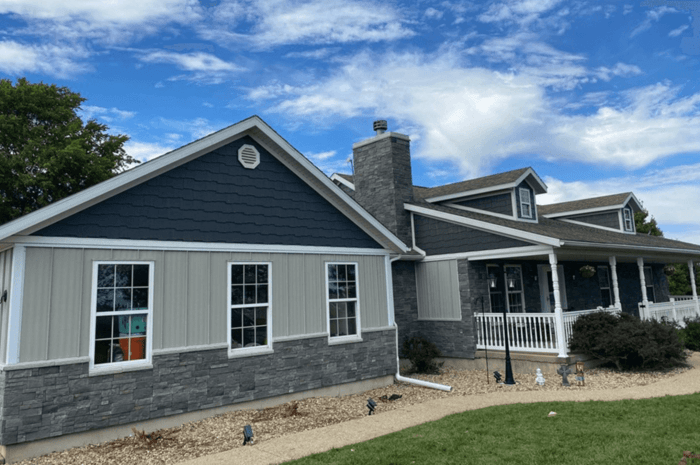
As we conclude this exploration of siding for the front of your house, it’s clear that the right choice can not only enhance the visual appeal of your property but also offer protection and durability against the elements. With the right knowledge and care, your home’s exterior can remain a source of pride and admiration for years to come.
FAQ Corner
What siding material is best for a modern home?
For a modern look, consider fiber cement siding for its sleek appearance and durability.
How often should siding be inspected for damage?
It’s recommended to inspect siding at least once a year, preferably before extreme weather seasons.
Can I paint my vinyl siding a different color?
Yes, you can paint vinyl siding, but make sure to use a high-quality exterior paint for best results.