Home siding installation is a crucial aspect of maintaining and enhancing the appearance of your home. From choosing the right materials to understanding the installation process, this guide covers everything you need to know to make informed decisions about your home’s siding.
Whether you’re looking to upgrade the aesthetic appeal of your home or simply need to replace old siding, this guide will walk you through the different types of materials, preparation steps, installation process, and maintenance tips to keep your home looking its best.
Types of Home Siding Materials
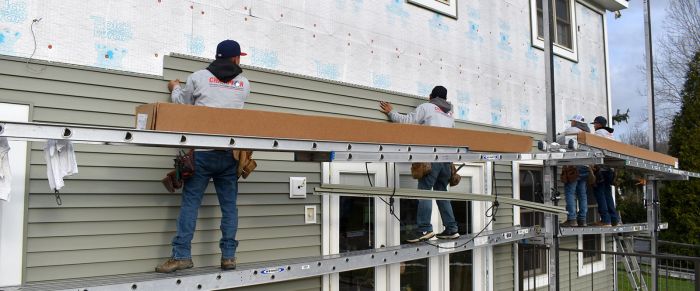
When it comes to choosing siding materials for your home, there are several options available, each with its own advantages and considerations.Vinyl Siding:Vinyl siding is a popular choice due to its affordability and low maintenance requirements. It is durable, resistant to rot and insects, and comes in a variety of colors and styles.
However, it may crack or fade over time, especially in extreme weather conditions.Wood Siding:Wood siding offers a classic and natural look that many homeowners appreciate. It can be painted or stained to match your desired aesthetic. While wood siding is durable and can last for decades with proper maintenance, it is more susceptible to rot, pests, and fire compared to other materials.Fiber Cement Siding:Fiber cement siding is a versatile option that mimics the look of wood but with added durability and resistance to rot, pests, and fire.
It requires minimal maintenance and comes in a range of colors and textures. However, fiber cement siding can be heavier and more challenging to install than other materials.Metal Siding:Metal siding, such as aluminum or steel, is known for its strength, longevity, and low maintenance requirements.
It is resistant to rot, pests, and fire, making it a practical choice for many homeowners. While metal siding can dent or scratch more easily than other materials, it is generally a cost-effective and durable option.Overall, the choice of siding material will depend on your budget, aesthetic preferences, and maintenance capabilities.
Consider consulting with a professional contractor to determine the best option for your home.
Preparation for Home Siding Installation
Before installing new siding on a house, proper preparation is essential to ensure a successful and long-lasting result. This process includes inspecting the existing siding, repairing any damage, and creating a smooth surface for the new siding installation. Additionally, having the right tools and equipment on hand is crucial for a smooth preparation phase.
Inspecting the Existing Siding
Inspecting the current siding on the house is the first step in the preparation process. Look for any signs of damage, such as cracks, rot, or mold. It is important to address these issues before installing new siding to prevent any further damage to the structure of the house.
Repairing Any Damage
Once the existing siding has been inspected, make necessary repairs to ensure a solid foundation for the new siding. This may involve replacing damaged panels, fixing any rot or mold issues, and reinforcing the structure if needed. By addressing these issues upfront, you can prevent future problems and ensure the longevity of the new siding.
Ensuring a Smooth Surface for Installation
Before installing the new siding, it is crucial to ensure that the surface is smooth and free of any imperfections. This may involve sanding down rough areas, filling in gaps or holes, and cleaning the surface thoroughly. A smooth surface will not only make the installation process easier but also ensure a clean and professional finish.
Tools and Equipment Needed
To properly prepare a house for new siding installation, you will need a variety of tools and equipment. Some essential items include a hammer, nails, a level, a tape measure, a circular saw, a utility knife, a caulking gun, and a power washer.
Having these tools on hand will make the preparation phase more efficient and effective.
Home Siding Installation Process
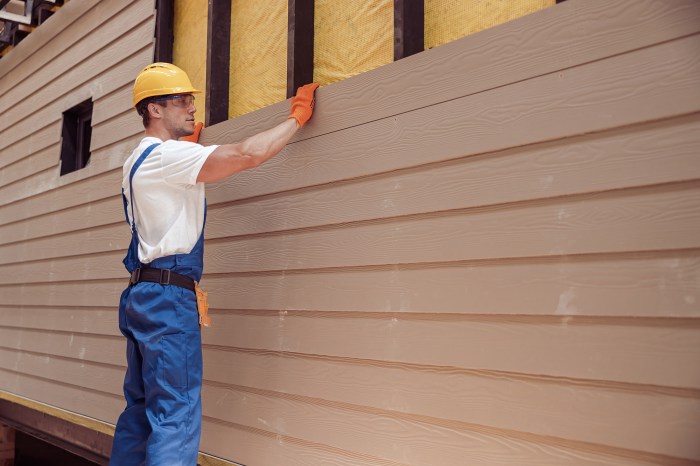
Installing home siding involves several steps that need to be followed carefully to ensure a professional finish. Below is a detailed overview of the process:
Measuring and Cutting Siding Materials
Proper measurement is crucial when it comes to cutting siding materials to fit the exterior of a house. Here’s how you can do it:
- Start by measuring the length and height of the walls where the siding will be installed.
- Add an extra inch to each measurement to allow for any adjustments needed during installation.
- Use a chalk line to mark the cutting lines on the siding material based on the measurements taken.
- Carefully cut the siding using a circular saw or tin snips, ensuring a clean and straight cut.
Securing Siding Panels and Ensuring Proper Alignment
Once the siding materials are cut to size, the next step is to secure them to the exterior of the house. Follow these techniques for a secure installation:
- Start by attaching the first panel at the bottom of the wall, making sure it is level and plumb.
- Use nails or screws to secure the siding panels to the wall, placing them at the top of the panel slots to allow for expansion and contraction.
- Overlap the edges of each panel slightly to ensure a tight fit and prevent water infiltration.
- Check the alignment of each panel as you go along, adjusting as needed to maintain a uniform look.
Finishing the Edges for a Professional Look
To give your home siding installation a polished finish, pay attention to the edges and corners. Here’s how you can achieve a professional look:
- Install corner pieces or trim to cover the exposed edges and corners of the siding panels.
- Use a J-channel or trim pieces around windows, doors, and other openings to create a clean transition between the siding and these areas.
- Make sure all edges are properly sealed and caulked to prevent water infiltration and ensure a seamless appearance.
- Step back and inspect the entire installation to ensure all panels are aligned correctly and the edges are finished neatly for a professional result.
Maintenance and Care Tips for Home Siding
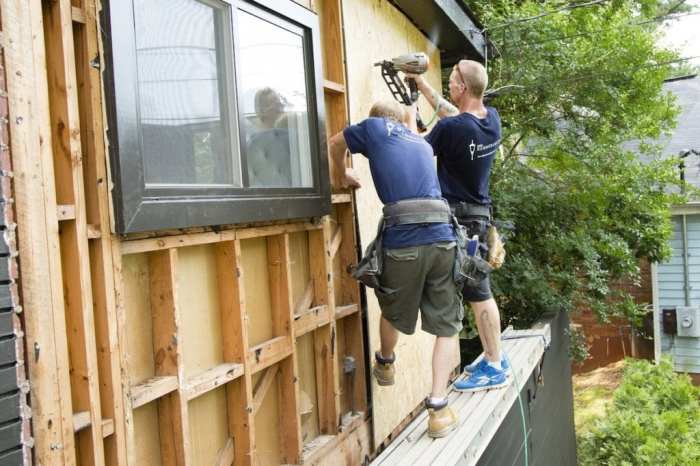
Maintaining and caring for your home siding is essential to ensure its longevity and appearance. By following some simple tips and routines, you can protect your siding from damage and keep it looking great for years to come.
Regular Cleaning Routines
- Regularly wash your siding with a garden hose or pressure washer to remove dirt, grime, and mildew.
- Use a mild detergent and soft brush to scrub any stubborn stains or spots on the siding.
- Rinse thoroughly with clean water to prevent soap residue buildup.
Inspections for Damage
- Inspect your siding regularly for any signs of damage, such as cracks, holes, or warping.
- Check for mold or mildew growth, especially in damp or shaded areas.
- Address any damage promptly to prevent further issues and maintain the integrity of your siding.
Repairs and Maintenance
- Repair any damaged areas of siding by replacing individual panels or sections as needed.
- Seal any gaps or cracks to prevent moisture infiltration and potential water damage.
- Consider applying a fresh coat of paint or sealant every few years to protect the siding from the elements.
Protecting from Weather Elements
- During extreme weather conditions, such as storms or high winds, inspect your siding for any loose or damaged sections.
- Trim trees and bushes near your home to prevent branches from scratching or damaging the siding.
- Consider installing gutter guards to prevent debris buildup and water overflow that can damage your siding.
Final Wrap-Up
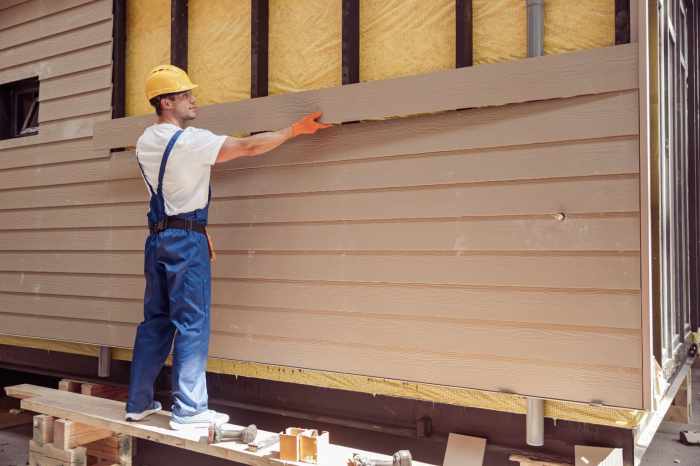
In conclusion, home siding installation is a significant investment that can greatly impact the curb appeal and value of your property. By following the guidelines Artikeld in this comprehensive guide, you can ensure a smooth and successful siding installation process, keeping your home protected and looking beautiful for years to come.
FAQ Insights
What are the most common types of home siding materials?
Common types include vinyl, wood, fiber cement, and metal siding, each with unique durability and maintenance requirements.
How can I prepare my house for new siding installation?
Inspect existing siding, repair any damage, ensure a smooth surface, and gather necessary tools and equipment for a successful installation.
What is the process for installing home siding?
The process involves measuring, cutting, securing siding panels, ensuring proper alignment, and finishing edges for a professional look.
How do I maintain and care for home siding materials?
Regular cleaning, inspections for damage, repairs, painting, sealing, and protection from weather elements are essential for maintaining siding materials.