Embark on a journey through the realm of siding companies, where different materials, installation processes, cost factors, and environmental impacts converge to shape the facade of residential properties. Discover the intricacies of siding projects and gain valuable insights into this essential aspect of home construction.
Delve deeper into the nuances of siding materials, installation techniques, and sustainability practices to unveil the secrets behind creating a durable and visually appealing exterior for your home.
Types of Siding Materials
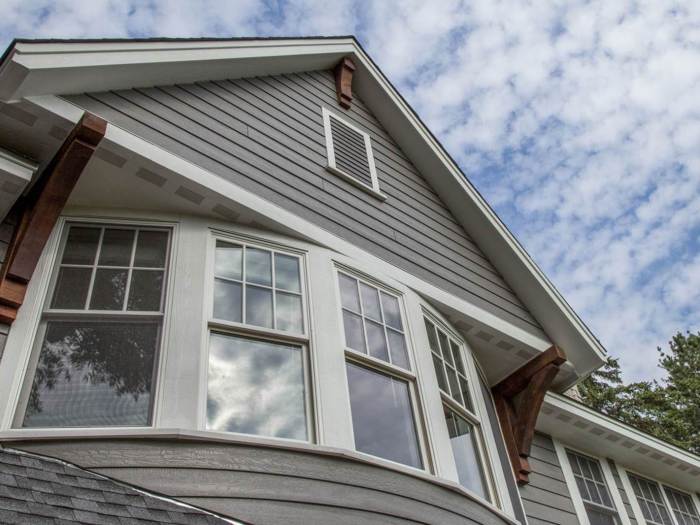
When it comes to siding materials, there are several options available for homeowners to choose from. Each type of siding material comes with its own set of benefits and considerations. Let’s take a look at some of the most common siding materials used by siding companies.
Vinyl Siding
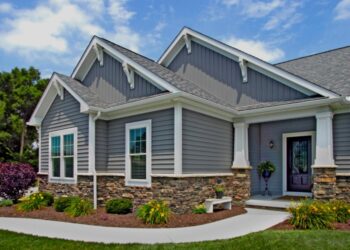
Vinyl siding is a popular choice due to its affordability and low maintenance requirements. It is available in a wide range of colors and styles, making it a versatile option for many homes. While vinyl siding is durable and resistant to rot and insects, it may fade over time and can be prone to cracking in extreme weather conditions.
Wood Siding
Wood siding provides a timeless and natural look to a home, adding warmth and character. Cedar and redwood are popular choices for wood siding due to their natural resistance to rot and insects. However, wood siding requires regular maintenance, including staining or painting to protect it from the elements.
It is also more susceptible to moisture damage compared to other siding materials.
Fiber Cement Siding
Fiber cement siding is a durable and low-maintenance option that mimics the look of wood without the same level of upkeep. It is resistant to rot, fire, and insects, making it a popular choice for many homeowners. Fiber cement siding is available in a variety of colors and textures, offering versatility in design.
However, it can be heavier and more challenging to install compared to other siding materials.
Metal Siding
Metal siding, such as aluminum or steel, offers durability and strength, making it a long-lasting choice for homeowners. Metal siding is resistant to fire, rot, and insects, making it a low-maintenance option. It is available in various finishes, including smooth or textured, providing flexibility in design.
However, metal siding can dent or scratch easily, requiring careful handling during installation and maintenance.
Siding Installation Process
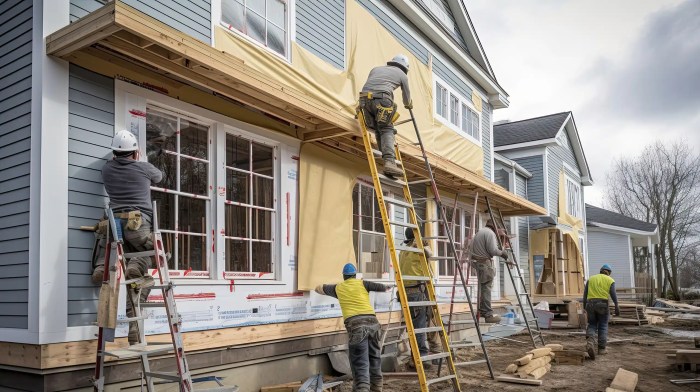
Installing siding on a residential property involves several key steps to ensure a durable and visually appealing finish. Proper insulation is crucial during the installation process to enhance energy efficiency and protect the property from external elements. Siding companies employ various techniques to ensure a seamless finish that enhances the overall aesthetic of the home.
Steps Involved in Siding Installation
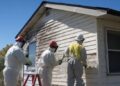
- Preparation of the Exterior: Before installing siding, the exterior of the property needs to be properly prepared. This includes cleaning the surface, repairing any damaged areas, and ensuring a smooth base for the siding.
- Measurement and Cutting: Accurate measurements are taken to ensure the siding fits perfectly on the property. The siding materials are then cut to the appropriate size for installation.
- Installation of Insulation: Insulation is crucial for energy efficiency and protection against moisture. Proper insulation helps regulate indoor temperature and prevents heat loss during colder months.
- Attachment of Siding Panels: The siding panels are carefully attached to the exterior of the property using nails or screws. This step requires precision to ensure a secure and uniform installation.
- Sealing and Finishing: Once the siding panels are attached, the seams are sealed to prevent water infiltration. The siding company then finishes the installation by adding trim and other decorative elements.
Importance of Proper Insulation
- Energy Efficiency: Proper insulation helps reduce energy costs by maintaining a consistent indoor temperature.
- Moisture Protection: Insulation prevents moisture buildup, which can lead to mold growth and structural damage.
- Noise Reduction: Insulation can also help reduce external noise, creating a more peaceful indoor environment.
Ensuring a Seamless Finish
- Professional Expertise: Siding companies employ skilled professionals who have experience in installing various types of siding materials.
- Quality Materials: Using high-quality siding materials ensures a durable finish that enhances the curb appeal of the property.
- Attention to Detail: Siding companies pay close attention to detail during the installation process to ensure a seamless and visually appealing finish.
Cost Factors for Siding Projects
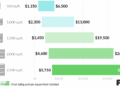
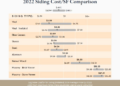
When it comes to siding projects, the cost can vary depending on several key factors. These factors play a crucial role in determining the overall pricing of the project. Understanding these cost factors can help homeowners make informed decisions when choosing siding materials and installation methods.
Quality of Siding Materials
The quality of the siding materials used can significantly impact the overall cost of the project. High-quality materials may come at a higher price, but they often offer better durability and longevity, which can result in cost savings in the long run.
On the other hand, lower-quality materials may be more affordable upfront but could lead to higher maintenance and replacement costs over time.
Size and Complexity of the Project
The size and complexity of the siding project also play a role in determining the cost. Larger projects or those with intricate designs may require more materials and labor, resulting in higher overall costs. Additionally, projects that involve unique architectural features or challenging installation conditions may require specialized expertise, further impacting the pricing.
Labor Costs and Installation Methods
Labor costs and the chosen installation method can influence the overall cost of the siding project. Different installation methods, such as nail-on, clapboard, or panel siding, may vary in terms of labor requirements and associated costs. Additionally, the expertise of the installation crew and any additional services required, such as removal of old siding or customization work, can impact the final pricing.
Location and Accessibility
The location of the property and its accessibility can also affect the cost of the siding project. Properties in remote areas or those with challenging terrain may incur higher transportation and labor costs. Accessibility issues, such as limited space for equipment or obstacles hindering the installation process, can also add to the overall expenses.
Additional Services and Customizations
Any additional services or customizations requested by the homeowner can contribute to the total cost of the siding project. Features like trim work, decorative elements, insulation upgrades, or painting services can increase the overall price. It’s essential for homeowners to clearly communicate their preferences and budget constraints to ensure accurate cost estimates from siding companies.
Environmental Impact of Siding
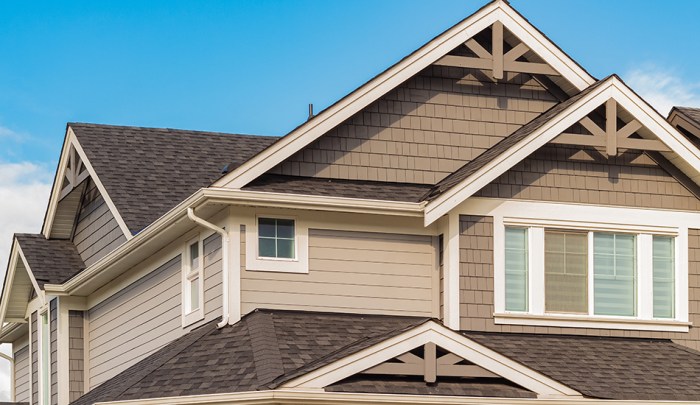
When it comes to the environmental impact of siding, the materials used play a crucial role in determining how eco-friendly the installation is. Siding companies have the opportunity to choose from a variety of materials that can either have a positive or negative impact on the environment.
Eco-friendliness of Various Siding Materials
- Vinyl Siding: While vinyl siding is popular due to its cost-effectiveness and durability, it is not the most environmentally friendly option. The production of vinyl releases toxic chemicals into the environment, and it is not biodegradable.
- Wood Siding: Wood siding is a more sustainable option as it is a renewable resource. However, deforestation can be a concern if not sourced responsibly. Opting for reclaimed or FSC-certified wood can mitigate this impact.
- Fiber Cement Siding: Made from a mixture of cement, sand, and cellulose fibers, fiber cement siding is durable and low maintenance. It is also fire-resistant and insect-proof, making it a sustainable choice.
- Aluminum Siding: Aluminum siding is recyclable and can be repurposed multiple times, making it a more eco-friendly option. It is also energy-efficient and reflects heat, reducing the need for cooling in homes.
Siding Installation for Energy Efficiency
Siding installation plays a significant role in improving energy efficiency in homes. Properly installed siding can act as an additional layer of insulation, reducing heat loss in winter and heat gain in summer. This helps homeowners save on energy costs and reduces the overall carbon footprint of the household.
Sustainable Practices by Siding Companies
- Recycling Programs: Many siding companies have implemented recycling programs to reduce waste from old siding materials. This helps in reducing landfill waste and promotes a circular economy.
- Energy-Efficient Techniques: Siding companies are adopting energy-efficient techniques during installation, such as using insulated siding or incorporating proper sealing to minimize air leakage, improving the overall energy efficiency of homes.
- Green Certifications: Some siding companies opt for green certifications that validate their commitment to sustainable practices. These certifications ensure that the materials used are eco-friendly and that installation processes meet environmental standards.
Final Conclusion
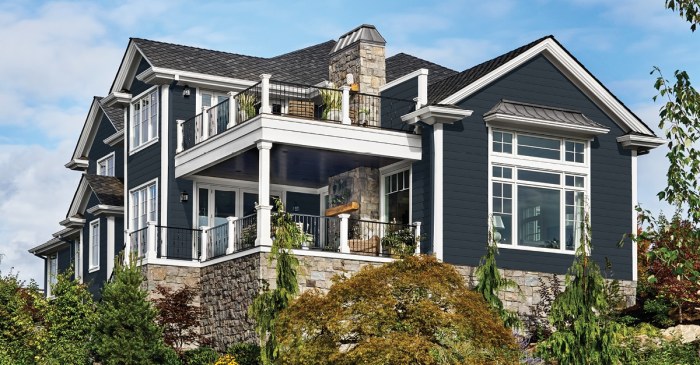
As we conclude our exploration of siding companies, we have uncovered the vital elements that define their operations. From the variety of materials to the meticulous installation processes, siding companies play a crucial role in enhancing the aesthetics and functionality of residential structures.
Take this newfound knowledge with you as you navigate the world of home improvement and make informed decisions regarding your siding projects.
FAQ Resource
What are the most common types of siding materials used by siding companies?
Siding companies typically work with materials such as vinyl, wood, fiber cement, and metal to provide a variety of options for homeowners.
How do siding companies ensure proper insulation during the installation process?
By using quality insulation materials and following industry best practices, siding companies can ensure that homes are properly insulated to improve energy efficiency.
What factors contribute to the pricing of siding projects?
Key cost factors include the chosen siding material, installation method, size of the project, and any additional customization or repairs required.
How do siding companies reduce their environmental impact?
Siding companies adopt sustainable practices such as recycling materials, promoting energy-efficient installations, and utilizing eco-friendly siding options to minimize their environmental footprint.