Delve into the world of siding cost with this informative guide that breaks down essential factors, installation breakdowns, saving tips, and hidden costs. Get ready to uncover the secrets behind the numbers and make informed decisions for your next siding project.
From the different types of materials to ways of saving money, this guide covers everything you need to know about siding cost in a detailed yet easy-to-understand manner.
Factors influencing siding cost
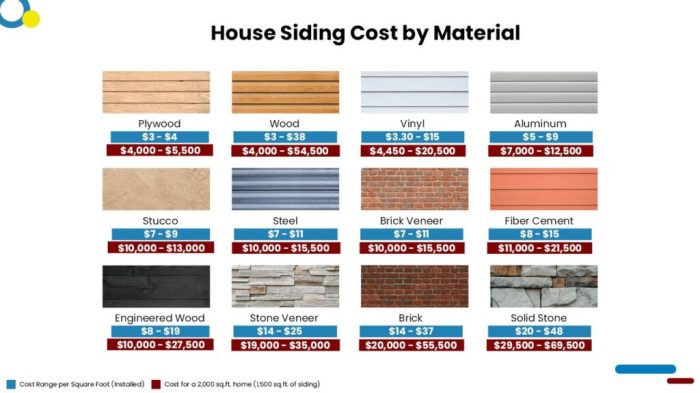
When considering the cost of siding for your home, there are several key factors that can influence the overall price. From the type of siding material to the size of your house, each element plays a role in determining the final cost of installation.
Types of siding materials and their cost implications
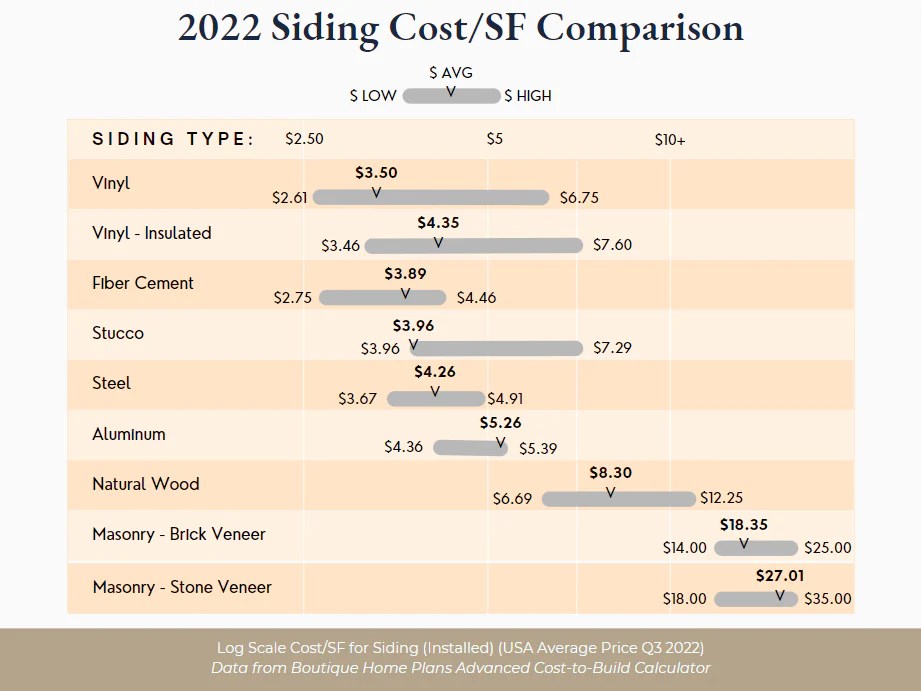
Different siding materials come with varying price tags. For example, vinyl siding is often more affordable compared to options like fiber cement or wood. The cost of materials, as well as installation, can vary significantly depending on the type of siding you choose.
Size of the house impacts siding cost
The size of your house directly affects the amount of siding material needed for installation. Larger homes will require more materials, resulting in higher costs. Additionally, larger homes may require more labor hours for installation, further impacting the overall price.
Location affecting the cost of siding installation
The location of your home can also impact the cost of siding installation. Factors such as local labor rates, accessibility of the property, and regional pricing trends can all influence the final cost. Urban areas may have higher labor rates compared to rural areas, leading to increased installation costs.
Role of additional features like insulation in determining siding cost
Incorporating additional features like insulation into your siding project can add to the overall cost. While insulation can increase energy efficiency and provide long-term savings on heating and cooling bills, it also comes with an upfront cost. The type and quality of insulation chosen will impact the total cost of the siding project.
Cost breakdown of siding installation
When it comes to installing siding, understanding the breakdown of costs can help you make informed decisions and budget effectively.
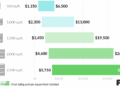
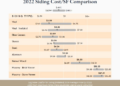
Popular siding materials cost per square foot
- Vinyl siding: $2 – $7
- Fiber cement siding: $5 – $12
- Wood siding: $6 – $15
- Stucco siding: $7 – $12
DIY vs. Professional installation cost
- DIY installation: While it can save you money on labor costs, it requires significant time and skill. Costs can range from $1 – $3 per square foot.
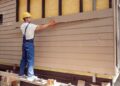
- Professional installation: Costs typically include labor, materials, equipment, and disposal. Expect to pay $4 – $10 per square foot for professional installation.
Step-by-step breakdown of expenses
- Materials: Costs vary based on the type and quality of siding chosen.
- Labor: Professional installation costs include labor fees, which can vary depending on the complexity of the job.
- Equipment: Tools and equipment needed for installation can add to the overall cost.
- Permits: Some areas require permits for siding installation, which can incur additional fees.
- Disposal: Proper disposal of old siding materials may also add to the total cost.
Labor costs impact on overall siding cost
Labor costs play a significant role in the total cost of siding installation. Factors such as the size of the project, complexity of the design, and location can all influence labor costs. Hiring experienced professionals can ensure the job is done efficiently and correctly, but it comes at a price.
Be sure to factor in labor costs when budgeting for your siding installation project.
Ways to save on siding costs
When looking to save on siding costs, there are several strategies you can consider to help lower expenses and still achieve a quality outcome. From negotiating with contractors to exploring sustainable options, here are some effective ways to reduce siding costs without compromising on the final result.
Negotiating with Contractors
When obtaining quotes from siding contractors, don’t hesitate to negotiate the price. Ask for discounts, compare quotes from multiple contractors, and see if there are any special promotions or deals available. Sometimes, contractors may be willing to lower their prices to secure your business, especially during slower seasons.
Using Reclaimed or Recycled Materials
Consider using reclaimed or recycled siding materials for your project. These materials are often more affordable than brand new ones and can add a unique touch to your home. Look for suppliers that offer eco-friendly options and see if there are any discounts available for choosing sustainable materials.
Proper Maintenance for Longevity
One of the best ways to save on siding costs in the long run is by properly maintaining your siding. Regular cleaning, inspections, and repairs can help extend the lifespan of your siding, reducing the need for costly replacements sooner than expected.
By taking care of your siding, you can save money on repairs and replacements down the line.
Government Incentives and Rebates
Check if there are any government incentives or rebates available for upgrading your siding. Some regions offer financial assistance or tax credits for homeowners who choose energy-efficient siding materials or make environmentally-friendly upgrades to their homes. Take advantage of these programs to offset some of the initial costs of your siding project.
Hidden costs to consider
When budgeting for siding installation, it’s crucial to remember that there may be additional costs beyond the initial quote. These hidden costs can catch homeowners off guard if not properly accounted for, impacting the overall project budget.
Permits and disposal fees
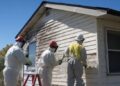
- Permits: Depending on your local regulations, you may need permits for siding installation, which can incur additional costs.
- Disposal fees: Removing old siding materials and waste disposal may also come with extra charges, so it’s essential to factor this into your budget.
Unforeseen issues impact
- Mold or rot: If mold or rot is discovered during the installation process, it can significantly increase the overall cost of the project due to the need for remediation and repairs.
- Quality installation: Opting for a low-quality installation to save money upfront can lead to future repairs and additional expenses down the line, outweighing any initial cost savings.
Importance of high-quality materials
- Long-term savings: Investing in high-quality siding materials upfront may seem more expensive initially, but it can save you money in the long run by reducing maintenance and repair costs over time.
- Durability: Quality materials are more resistant to wear and tear, ensuring that your siding lasts longer without the need for frequent repairs or replacements.
Last Point
As we wrap up this discussion on siding cost, remember that knowledge is power when it comes to making decisions about your home. Use the insights gained here to navigate the complexities of siding costs with confidence and clarity.
User Queries
What factors can influence siding cost?
Factors such as the type of siding material, house size, location, and additional features like insulation can all impact siding cost.
Is DIY siding installation cheaper than professional installation?
In general, DIY siding installation can be cheaper, but it requires time, skill, and the right tools. Professional installation ensures quality but comes at a higher cost.
How can I save on siding costs?
You can save on siding costs by negotiating with contractors, considering reclaimed materials, maintaining your siding properly, and taking advantage of government incentives or rebates.
What hidden costs should I consider when budgeting for siding?
Additional costs like permits, disposal fees, unforeseen issues like mold or rot, and the importance of quality installation should all be factored into your siding budget.
Why is it important to choose high-quality materials for siding?
High-quality materials may have a higher upfront cost but can save money in the long run by reducing maintenance and repair expenses.